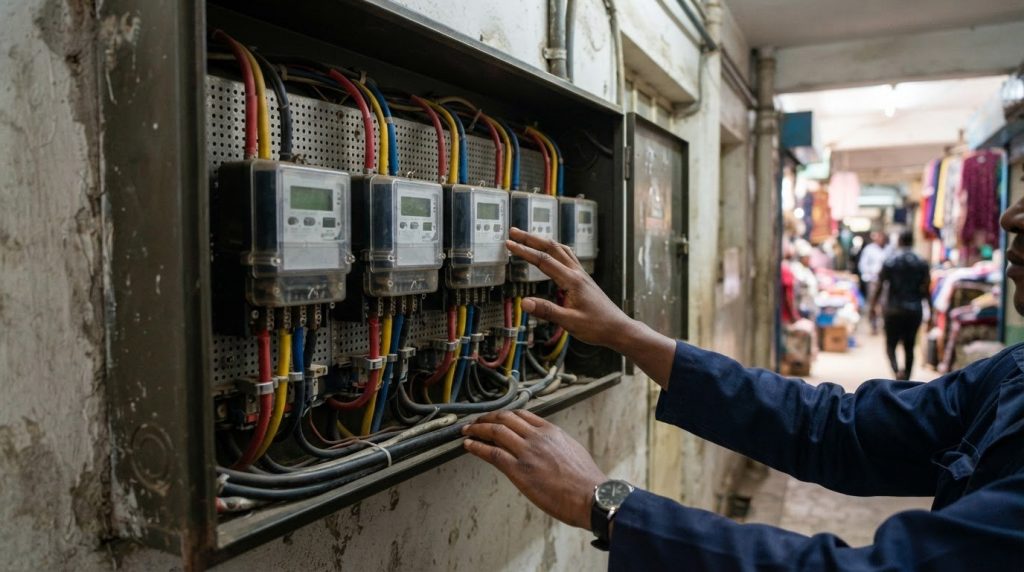
Prepaid Meters for Property Managers: Costs and Tariffs
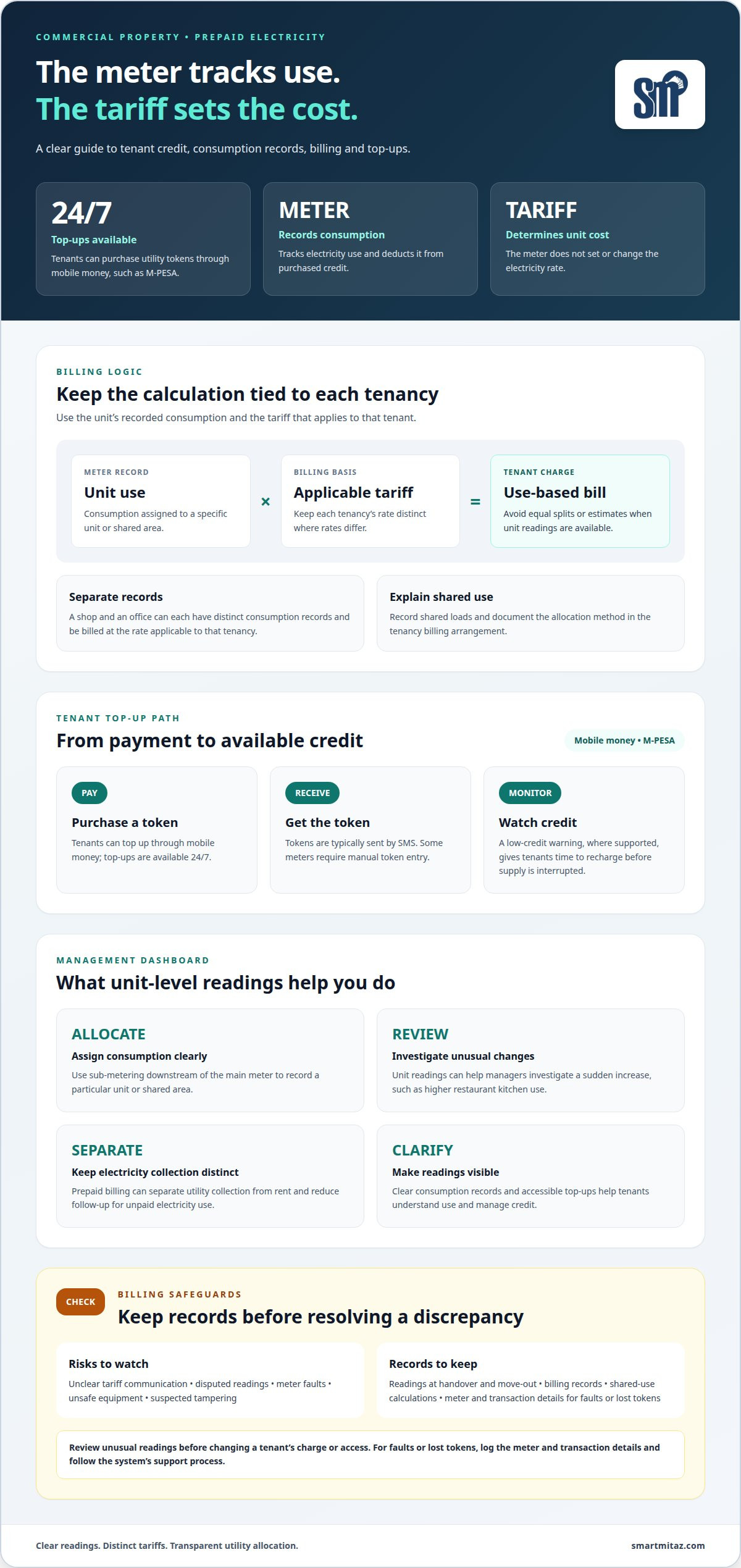
A prepaid meter for property managers records tenant credit and electricity use, but it does not set or change the electricity rate. The applicable tariff determines the cost of each unit consumed, while the meter tracks usage against prepaid credit. Keeping that distinction clear matters when commercial tenants have different billing arrangements.
Upfront payment can reduce the need to chase overdue utility bills and separate electricity collection from rent. Unit-level consumption records can also make usage easier to review while tenants manage their own top-ups. The meter supports billing, but it does not replace the tariff or electricity supply arrangement.
This guide explains how prepaid metering works with commercial tariffs, what influences meter and installation costs, and what to consider when choosing a supplier. It also covers practical benefits for property managers, including clearer consumption records and more structured utility collection. Use these points to assess whether prepaid metering suits your property and compare meter types against its needs.
Key Takeaways
- Separate the meter’s credit and consumption tracking from the tariff that determines each unit’s cost.
- Compare meter type and site requirements, including whether a single-phase or three-phase unit suits the property.
- Assess meter and installation costs by considering the site setup, wiring needs, and tariff configuration.
- Use unit-level consumption records to support utility allocation and spot changes in tenant usage.
How Do Prepaid Meters Handle Different Electricity Tariffs For Commercial Tenants?
A prepaid meter records electricity consumption and deducts it from purchased credit. It does not set or change the tariff. If commercial tenants pay different rates, keep each unit’s applicable tariff and meter records distinct. For example, a shop and an office can have separate consumption records, with billing based on the rate that applies to each tenancy.
A landlord can use a sub-meter downstream of the property’s main meter to record consumption for a specific unit or shared area. Calculate each tenant’s electricity charge from their recorded use and the applicable tariff, rather than splitting a combined bill equally or relying on estimates. Explain the calculation and any shared-utility allocation in the tenancy billing arrangement.
Tenants can purchase prepaid utility tokens through mobile money such as M-PESA, with top-ups available 24/7. Tokens are typically sent by SMS; some meters instead require tenants to enter a token code manually. A low-credit warning, where supported, gives tenants time to recharge before supply is interrupted.
For shared utilities, assign consumption to the relevant unit or area where separate sub-metering is in place. Keep clear records of shared loads and the method used to allocate them. Unit-level readings can help managers investigate a sudden increase, such as a jump in a restaurant kitchen’s usage, without assuming other tenants caused it.
Prepaid billing can separate utility collection from rent and reduce follow-up for unpaid electricity use. Clear readings and accessible top-ups also give tenants more visibility into consumption and help them manage credit. These practical details can support tenant satisfaction and rental appeal, particularly in commercial spaces where predictable utility costs matter.
Key risks include unclear tariff communication, disputed readings, meter faults, unsafe equipment, and suspected tampering. Record readings at handover and move-out, retain billing records, and document any shared-use calculation. If a fault occurs or a token is lost, log the meter and transaction details, then follow the system’s support process. Review unusual readings before changing a tenant’s charge or access.
How do I choose a prepaid meter supplier?
In Kenya, property managers can compare single-phase and three-phase prepaid electricity meters, as well as prepaid water meters. Match the meter type to each unit’s load and the utility being measured.
Verifying a Meter Supplier
Supplier verification means assessing the meter’s suitability, manufacturing quality, and support arrangements before purchase. It matters because accurate readings underpin tenant billing, collection, and dispute resolution. Review the meter’s documentation and operating instructions, and check whether the factory holds a quality system certification such as ISO 9001. Also assess how the supplier explains token vending, fault reporting, and tamper concerns. Clear processes make it easier to manage records across separate rental units.
Meter Types for Different Loads
Meter selection should match the electrical supply and expected load to the meter configuration. A single-phase meter suits a different setup from a three-phase meter, which may be more appropriate for higher-demand commercial or industrial sites. Assess a small office separately from a workshop with heavier equipment. For a property tracking water, choose a water-meter type instead. Matching the meter to its use helps tenants pay against their recorded consumption and gives managers clearer unit-level data.
Supplier Options and Installation
smartmitaz sells prepaid electricity and water metering hardware for rental properties. Installation is a separate part of the project, so plan how meter configuration, tenant onboarding, and token delivery will work before deployment. In a multi-unit building, link each meter clearly to its unit and tenant account. Record meter identifiers and handover readings to help resolve later billing questions.
Compare the system’s vending method, reporting functions, and fault-handling process with your property’s operating needs. A professional assessment can help match the meter type, installation approach, tariff configuration, and tenant onboarding to the site. This is particularly useful for a property combining offices, retail units, and shared services, where different areas may need different metering arrangements.
Meter and installation costs
There is no single cost for every property. The total depends on meter type, the building’s existing wiring or pipework, and the configuration required for each unit.
Installing Meters in Existing and New Buildings
Installation in an existing building must account for its current distribution system. A site review identifies meter positions, access, wiring or pipework changes, and whether units need separate readings. For example, adding meters to occupied flats may require planning work around tenant access and existing circuits. The scope affects labour and materials.
In a new building, meter locations and unit boundaries can be incorporated into the design in advance. This can make it easier to map each meter to a flat, shop, or shared area before tenants move in. An industrial site may need a different layout from a small residential block, particularly where loads and distribution arrangements differ.
Installation and System Configuration
Configuration connects each meter to the correct unit and billing setup. The scope may include assigning meter identifiers, setting the applicable tariff, arranging tenant accounts, and defining how readings are collected. A clear unit-to-meter record helps managers trace consumption and resolve billing queries.
Costs also depend on the balance between automated and manual processes. A system with remote data collection has different communication and setup requirements from one where a manager reads meters on site. Compare how readings reach the billing record, how tenants receive credit, and how faults are logged. These choices shape the equipment and work required.
Separate hardware, site preparation, installation labour, and system configuration when reviewing a project budget. Request an itemised scope for each building area and meter point. This makes it easier to compare proposals consistently, identify work affecting occupied units, and plan a phased installation rather than treating every meter location as identical.
Prepaid meter benefits for landlords and property managers
Prepaid metering changes when utility costs are collected: tenants purchase electricity or water credit before consumption. For landlords, this can reduce exposure to unpaid usage and separate utility collection from rent. A prepaid meter for property managers can also create a clearer payment trail, with top-ups recorded separately from rental payments.
Unit-level readings help managers see where consumption occurs. If a shop’s electricity use rises, its meter records can focus attention on that unit instead of prompting a review of every tenant’s usage. Smart Mitaz offers real-time monitoring and remote meter reading, helping managers review consumption without relying only on site visits. This visibility supports investigation and more informed utility cost recovery.
Prepayment also gives tenants direct control over top-ups. They can track credit and decide when to purchase more, while clear readings help explain charges based on their consumption. In many systems, electricity supply disconnects when the balance reaches zero and may reconnect after a top-up. Explain how the process works so tenants can plan and understand any interruption to supply.
For shared utilities, recorded consumption can support allocation by unit or area instead of relying only on equal splits or estimates. If the metering layout records them separately, a manager can distinguish a shared corridor’s usage from a tenant’s shop consumption. This makes billing easier to explain and gives landlords a clearer basis for reconciling utility revenue with recorded use.
The practical gain is more structured utility management, not a change to the electricity tariff or supply. Meters record consumption and manage credit, but do not set unit rates. A prepaid meter for property managers can help organize records for usage reviews, tenant questions, and utility collection. Tenants also benefit from visible credit and readings that make their utility costs easier to understand.
Smartmitaz: Outdoor 4G-LoRa water meter gateway
smartmitaz offers an Outdoor 4G-LoRa water meter gateway for property managers planning water-metering systems that use outdoor gateway hardware. The right setup depends on the property’s metering needs and how its water meters are arranged.
For residential water metering, the Residential Smart Prepayment Water Meter is a relevant hardware option. For electricity, the available choices include the Single Phase Smart Prepayment Meter and Three Phase Smart Prepayment Meter. These products address different utility and metering requirements, so match the hardware category to the property’s intended use.
Use Smart Mitaz’s product range to assess which meter or gateway aligns with your building’s requirements. Contact Smart Mitaz to discuss its metering hardware, or visit smartmitaz.com.
Set a clear direction for your metering project
Treat metering as an operating decision, not just an equipment purchase. Define which property areas need separate measurement, who will manage tenant accounts, and how readings should fit your billing workflow. A clear project brief helps align hardware choices with daily property operations and gives stakeholders a shared basis for planning.
For a prepaid meter for property managers, the next step is to match the intended use to the appropriate hardware category. smartmitaz offers an Outdoor 4G-LoRa water meter gateway, a Single Phase Smart Prepayment Meter, and a Three Phase Smart Prepayment Meter. These options address different metering requirements, so identify the utility and site needs before selecting equipment.
Keep the decision practical: document your metering priorities, the building areas involved, and the requirements your system must meet. Then discuss the relevant hardware with smartmitaz. Contact smartmitaz to discuss your needs and take the next step toward a metering plan that fits your property.
Frequently Asked Questions
Can Prepaid Meters Be Recharged And Managed Remotely?
Yes, connected prepaid systems can support remote monitoring and top-ups. Smart Mitaz offers real-time monitoring, remote meter reading, and automatic recharge for smart prepaid meters, with M-PESA among its payment options. For a Nairobi apartment block, managers can use remote readings to review unit activity while tenants recharge without visiting a management office. Match the selected system’s remote functions to your property’s needs.
Does The Meter Support Automatic Reconnection After Top-Up?
In many prepaid systems, supply disconnects when credit reaches zero and may reconnect after a top-up. Automatic recharge and automatic reconnection are separate functions: the first adds credit, while the second restores supply. Review the system’s operating instructions, including how it handles a delayed payment record or a meter that remains disconnected after credit is added.
What steps are required to install prepaid meters in an apartment or multi-unit property?
Start by mapping each apartment, shared area, and existing utility connection. Then select compatible meters, plan their locations, and arrange installation through an appropriate installer. Before tenants move in, assign every meter to a unit, configure billing and tariff details, and test readings and top-ups. Record opening readings and meter identifiers in handover documents to reduce later account or unit-matching disputes.
How do prepaid meter providers compare on fees, token purchases, support, and reporting?
Compare transaction charges separately from meter costs, then review token channels, delivery method, reporting access, and support routes. Smart Mitaz lists M-PESA, credit or debit cards, and online banking as payment options, with support available by email, phone, and live chat. For a Nairobi property, check that reports show readings by unit and payment records can be matched to tenant accounts for clear reconciliation.